Uncover the Beauty of Up-to-Date Roof Lanterns: Architectural Developments for 2026
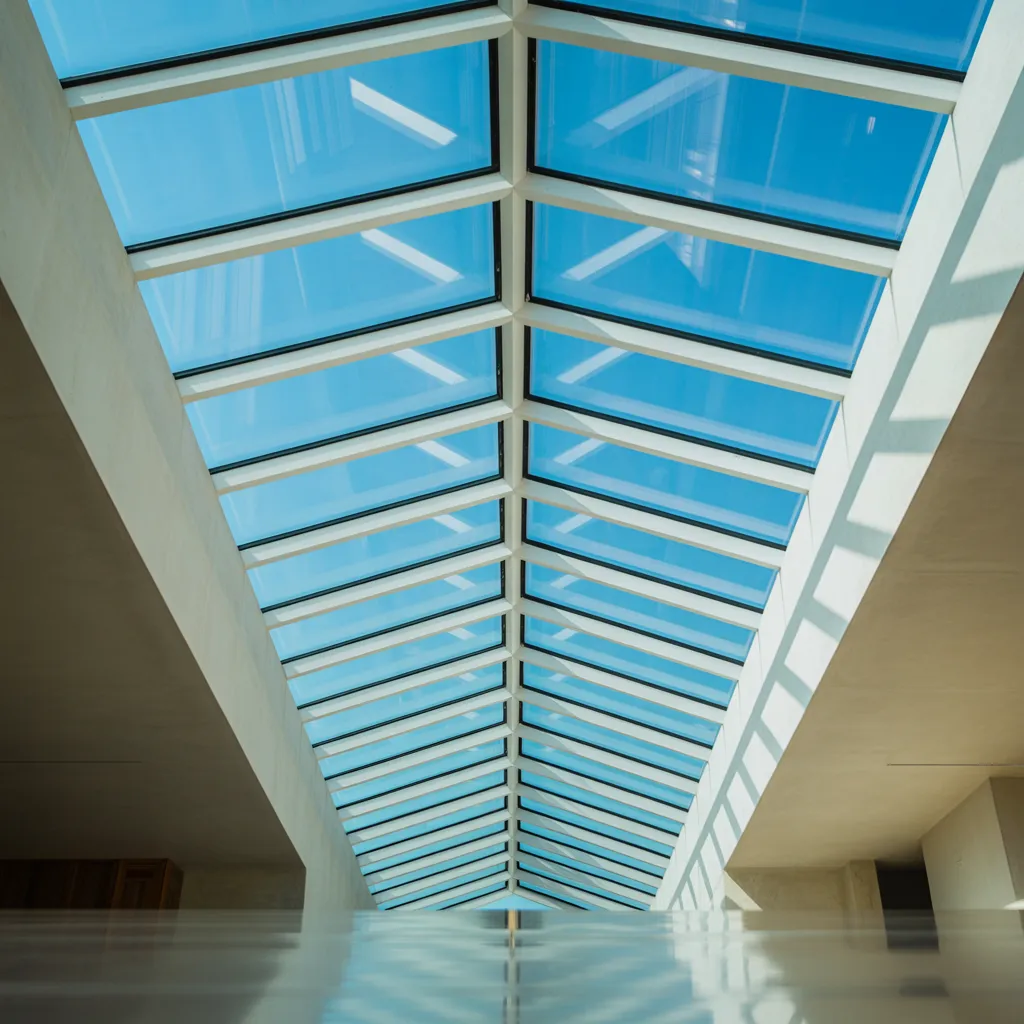
In 2026, innovative architectural skylights are reinterpreting modern design values. Their minimalist linear designs and adjustable feature sets offer both practical advantages and aesthetic quality, appealing to current aesthetic values. Environmentally conscious components are now established, underscoring sustainable practices with polish. Innovative window technologies strengthen light distribution while supplying insulation performance. As these aspects synchronize, they construct comfortable dwellings that embody a commitment toward environmental responsibility and design excellence. Why are these lanterns crucial for modern living environments?
The Advantages of Installing a Current Roof Lantern
A modern roof lantern serves as a impressive architectural feature that discover now improves both visual appeal and functionality. By permitting natural light to pour into a space, it greatly improves the ambiance of interiors, creating a luminous and welcoming environment. This inflow of natural light can decrease the reliance on artificial lighting, thereby advancing energy efficiency and potentially lowering electricity bills.
Furthermore, roof lanterns can assist in controlling interior climate, enabling improved air flow and circulation. This can lead to a more comfortable living space throughout the year. Their adaptable aesthetic can complement various architectural styles, allowing them to work in both contemporary and traditional homes.
In addition, a roof lantern can deliver a distinctive centerpiece, capturing focus and enhancing the visual appeal to any room. Overall, the installation of a modern roof lantern not only enhances the visual beauty of a home but also enhances its practicality and energy efficiency, making it a valuable addition.
Emerging Roof Lantern Materials in 2026
In 2026, the determination regarding components for modern roof lanterns illustrates a blend of innovation and environmental responsibility. Architects and designers progressively prefer eco-friendly options, such as recycled aluminum and sustainably sourced timber. These components not only mitigate ecological footprint but also supply a modern aesthetic.
Glass persists as a preferred choice, with advancements in efficient window technology offering better insulation and UV protection. This permits homeowners to enjoy natural light while reducing energy consumption.
In addition, blended composites are becoming mainstream, fusing the durability of synthetic substances with the elegant appearance of realistic finishes. This phenomenon handles both functional and aesthetic needs, maintaining sustained performance without detracting from style.
In the end, the materials selected for roof lanterns in 2026 prioritize both durability and style, producing gorgeous, green alternatives that improve living spaces while meeting modern sustainability benchmarks.
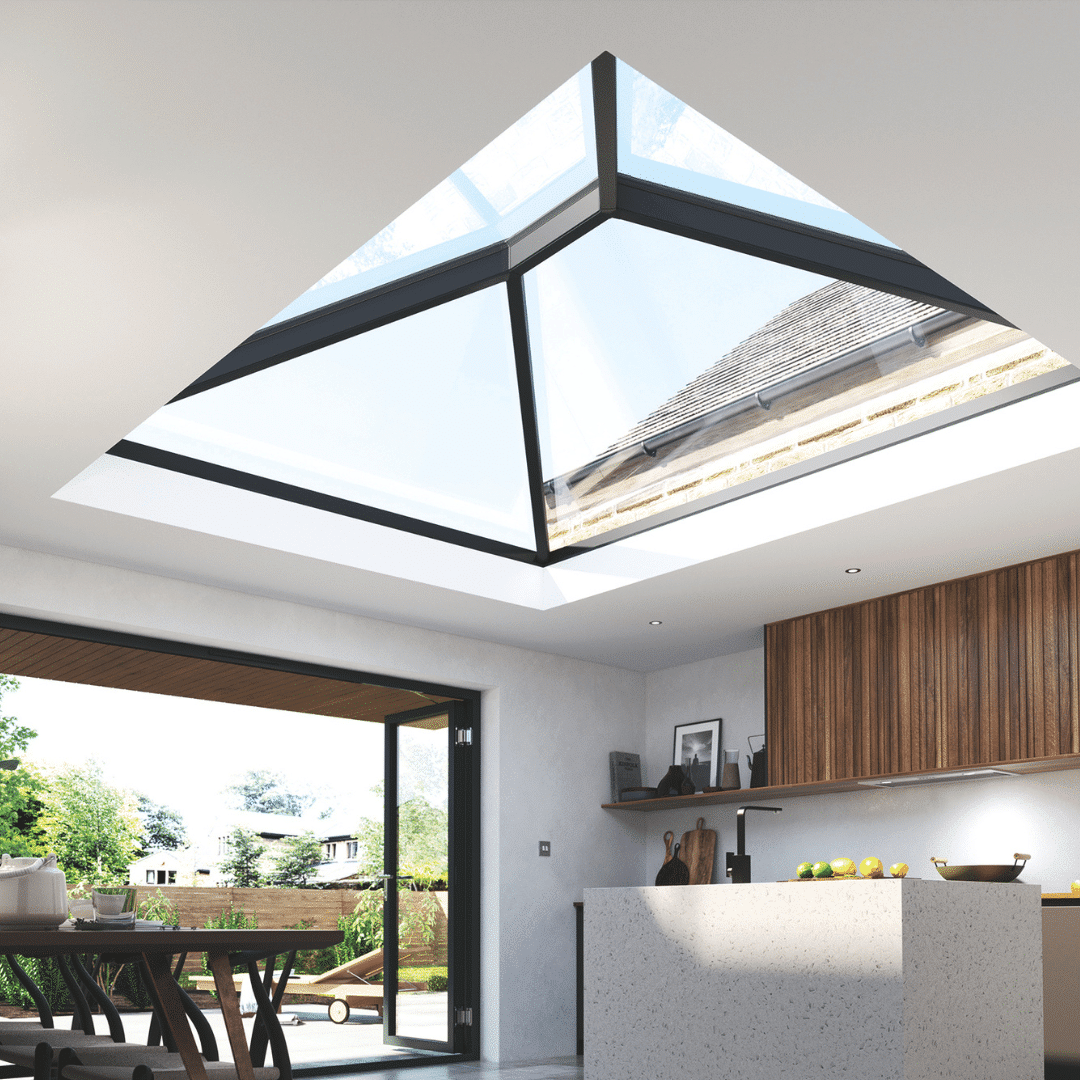
Unique Roof Lantern Styles to Improve Your Indoor and Outdoor Areas
Roof lantern styles showcase a blend of contemporary and conventional aesthetics that can greatly transform living spaces and outdoor areas. Sleek geometric treatments provide a sleek, modern look, while Victorian influences contribute a touch of sophistication and charm. Assessing these multiple choices allows dwellers to uplift their spaces with bespoke architectural qualities.
Current Geometric Designs
Contemporary geometric designs in roof lanterns offer a striking blend of practicality and aesthetic appeal. These innovative structures often showcase sharp lines, angular shapes, and minimalist frameworks that create a modern look while optimizing natural light. By including materials such as glass and metal, designers deliver a sleek, sophisticated finish that complements various architectural styles. The interplay of light and shadow through these geometric forms enhances both indoor and outdoor spaces, creating visually engaging environments. In addition, customizable options allow homeowners to select sizes and shapes that fit their specific needs, ensuring that each lantern serves as a unique focal point. Ultimately, contemporary geometric roof lanterns elevate spaces with their stylish designs and practical benefits.
Timeless Victorian Design
While contemporary styles rule the market, classic Victorian elements in roof lanterns continue to captivate homeowners seeking to enhance their interiors and exteriors. Distinguished by intricate detailing, decorative frames, and refined glass design, these lanterns inspire a sense of timeless charm. The use of wrought iron and stained glass is prevalent, reflecting the craftsmanship of the Victorian era. Homeowners value how these designs produce a prominent centerpiece while allowing natural light to flood spaces. In both traditional and contemporary settings, Victorian-style lanterns seamlessly merge history with modernity, offering a unique aesthetic that complements diverse architectural styles. As the design landscape evolves, the enduring appeal of traditional Victorian elements remains a significant trend in roof lantern choices.
Finding the Right Roof Lantern for Your Home?
When choosing the perfect roof lantern for a house, homeowners should consider both aesthetic appeal and functional benefits. The design should match the architectural style of the property, whether it be contemporary, traditional, or somewhere in between. Size is another vital factor; the lantern should adequately suit the space to increase natural light without dominating the room.
Material choices, such as aluminum or wood, can in addition influence the overall visual impact and durability of the lantern. Homeowners should examine the type of glazing, as options like double or triple glazing can strengthen insulation and energy efficiency. Additionally, color and finish should align with existing decor to foster a cohesive appearance.
Practical elements, such as maintenance ease and installation specifications, are equally essential. Ultimately, a well-chosen roof lantern can elevate a home's interior while providing lasting functionality and style.
Green Roof Lantern Implementation
By integrating environmentally conscious methods into roof lantern design, homeowners gain an opportunity to enhance both aesthetics and ecological accountability. Contemporary roof lanterns can be constructed from eco-friendly materials such as reclaimed wood and recycled aluminum, minimizing the carbon footprint linked to production. Furthermore, designers are increasingly focusing on energy-efficient glazing that maximizes natural light while decreasing heat loss, contributing to lower energy bills.
Additionally, integrating solar panels into roof lantern designs enables for capturing renewable energy, further promoting sustainability. The application of low-VOC paints and finishes ensures healthier indoor air quality, aligning with eco-conscious living.
The concentration on sustainable integration not only improves the aesthetic appeal of a home but also corresponds with a growing movement towards environmentally-friendly living. As residents prioritize green practices, roof lanterns that demonstrate these ideals will emerge as both aesthetically pleasing and accountable options.
Easy Upkeep Tips for Your Roof Lantern
Regular maintenance is essential for maintaining the beauty and functionality of roof lanterns. To ensure ideal performance, it is recommended to wash the glass surfaces regularly using a gentle fabric and a mild cleaning solution. This avoids the accumulation of dirt and grime that can block natural light. Additionally, inspecting the seals and gaskets for wear or damage is important; changing them promptly can prevent leaks and preserve energy efficiency.
Inspecting the chassis and supporting structure for oxidation or corrosion will help maintain durability. If metal components show signs of deterioration, applying a sealant can extend their lifespan. In addition, during seasonal changes, it is wise to remove waste such as leaves or snow that may accumulate on the lantern.
Regularly Asked Questions
How Much Do Average Contemporary Roof Lanterns Cost in 2026?
In 2026, the typical prices of modern roof lanterns vary between $1,500 to $5,000, determined by factors including size, materials, and design complexity, showcasing the shifting patterns in home architecture and aesthetics.
How Do Roof Lanterns Affect Home Energy Efficiency?
Roof lanterns maximize home energy efficiency by amplifying natural light, reducing reliance on artificial lighting. Their design can enhance ventilation, allowing for better temperature regulation, ultimately contributing to lower energy consumption and more eco-friendly living environments.
Can roof lanterns be added on existing roofs?
Roof lanterns can be mounted on existing roofs, as long as structural integrity is evaluated. Correct installation guarantees compatibility with the current roofing system and optimizes daylight while improving visual appeal and energy performance in the home.
What Is the Length of a Modern Roof Lantern's Existence?
Contemporary roof lanterns typically have a working life of 20 to 30 years, contingent on materials, maintenance, and exposure to environmental factors. Regular care can strengthen durability and performance over time.
Can Roof Lanterns function in All Types of Weather Conditions?
Roof lanterns may be fitting for diverse climates, provided that they are correctly installed and constructed with care. Thermal insulation, material selection, and drainage considerations are vital to guarantee lasting performance and functionality in scorching heat and cold climates.